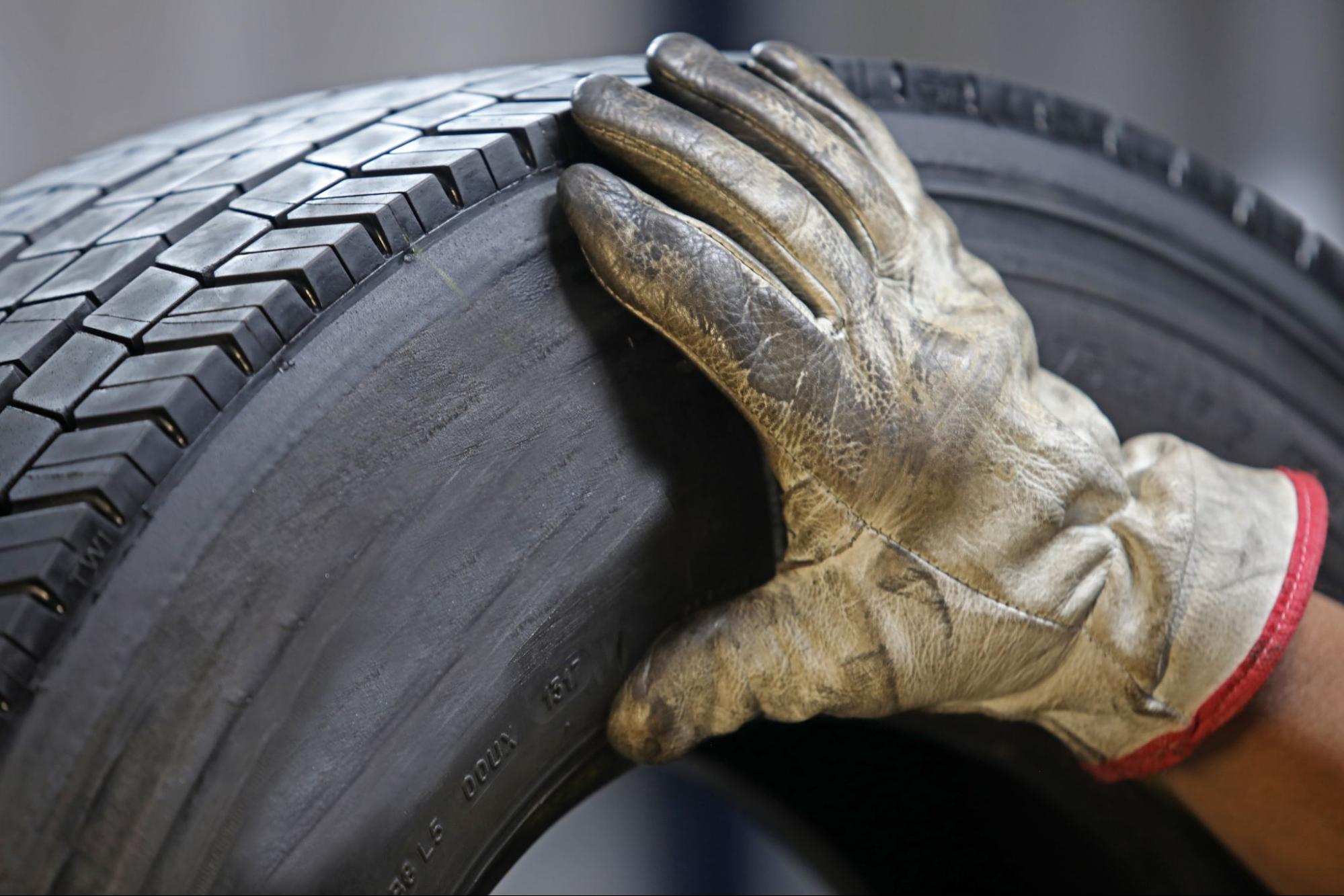
As our world advances, industries face increasing pressure to balance progress with sustainability. The tire retreading sector is no exception. While retreading plays a critical role in reducing waste and conserving resources, many facilities still release hazardous emissions during the process.
Compliance with environmental regulations isn’t just a box to check. It’s a business imperative. Fortunately, solutions exist that make compliance easier and more effective than ever.
Why Retreading Matters
Tire retreading supports a greener, circular economy by extending the life of tire casings and reducing the need for new raw materials. Instead of discarding worn tires, the existing carcass is reused and fitted with new tread, conserving rubber, steel, and petroleum-based materials. It’s a smart, sustainable choice for commercial fleets and a growing priority across the transportation industry.
Here’s how retreaded tires contribute to environmental gains:
- Oil Savings: Save 15 gallons of oil per tire
- Material Reduction: Use 90 pounds less raw material per tire
- Lower Emissions: Reduce CO₂ emissions by 24%
- Water and Air Impact: Use 19% less water and cut air pollution by 21%
- Landfill Diversion: Keep 1.4 billion pounds of waste out of landfills annually
While the environmental benefits are clear, there’s still work to do at the facility level, especially when it comes to emissions.
Understanding Retread Facility Emissions
Retread facilities use adhesives and solvents during tire building and curing. These processes can release hazardous air pollutants (HAPs) such as hexane and toluene. These chemicals support proper bonding, but they also pose risks to human health and the environment.
Common emission sources in a retread facility include:
- Buffing the carcass
- Cement and adhesive application
- Extruding/tread building
- Curing/vulcanization
Even though retreading uses fewer raw materials than new tire manufacturing, the curing process and its emissions are under the same regulatory scrutiny.
The Regulations That Matter
The Clean Air Act (CAA) gives the Environmental Protection Agency (EPA) authority to regulate air pollutants and enforce emissions standards across U.S. industries. For retreaders, this means following multiple layers of regulation:
- National Ambient Air Quality Standards (NAAQS): Limits for pollutants like particulate matter, ozone, and nitrogen dioxide that apply to all operations
- New Source Performance Standards (NSPS): Emissions limits for new or modified equipment based on current pollution control technologies
- National Emission Standards for Hazardous Air Pollutants (NESHAP): Strict standards targeting HAPs, like those emitted in traditional retreading processes
To stay compliant and avoid costly penalties, retread facilities must adopt safe formulations, implement emissions control technologies, and follow proper reporting procedures.
A Proven Path to Compliance: ZEVOC® Cement
ZEVOC® is the first patented water-based cement for cured rubber substrates.
Many retreaders have already taken steps to reduce or eliminate HAP emissions, and the results are clear. According to EPA-reviewed data, some facilities have lowered emissions from over 8 tons per year to virtually zero.
ZEVOC® Cement from APV Engineered Coatings makes that possible.
ZEVOC® is the first patented water-based cement for cured rubber. It’s a drop-in replacement for solvent-based adhesives that delivers high performance without the hazardous emissions.
Why ZEVOC® Works:
- Zero Emissions: Contains no VOCs or HAPs and complies with all local, state, and federal emissions regulations
- Insurance Savings: Nonflammable, which may reduce facility risk and insurance costs
- Simplified Storage: Requires no special storage, sprinkler systems, or lockout equipment
- Easy Application: Compatible with conventional spray equipment already in use
- Reliable Performance: Delivers adhesion strength equal to or better than solvent-based cements
ZEVOC® is trusted by top-tier manufacturers and backed by APV’s technical experts. We provide application guidance, cleanup recommendations, and ongoing support to help your facility stay compliant without compromising efficiency or bond strength.
The Bottom Line
Tire retreading is an essential part of sustainable transportation, but only when emissions are properly managed. The Clean Air Act and EPA regulations are in place to protect public health and promote safer industrial practices. With solutions like ZEVOC® Cement, you don’t have to choose between compliance and performance.
Ready to reduce emissions and future-proof your facility?
Contact APV Engineered Coatings today to see how ZEVOC® can support your sustainability goals.


