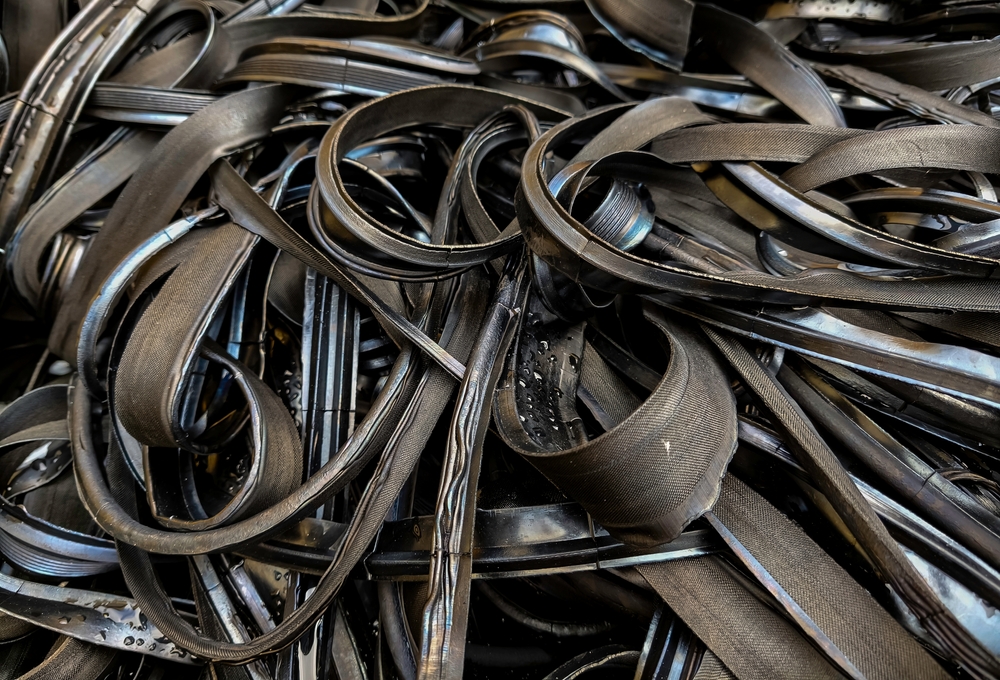
Rubber is a critical material across industries such as automotive, construction, and consumer goods. Yet even in well-managed facilities, production scrap remains a costly challenge. Each batch of wasted rubber drives up material costs, increases disposal needs, and reduces overall efficiency.
Even small percentages of scrap accumulate into significant financial and operational setbacks over time.
This article explains why scrap occurs in rubber manufacturing and how to reduce it, protecting profitability while supporting sustainable operations.
Why Rubber Scrap Happens
Unlike many other materials, rubber exhibits complex behavior under heat, pressure, and molding conditions. That complexity introduces waste at several production stages:
Mold Defects
Incomplete fills, sticking, or tearing during demolding are common causes of rejected parts, wasting both material and production time.
Surface Damage
Contaminated or poorly prepared molds can cause blemishes, air pockets, or rough surfaces, rendering products unsuitable for use.
Excess Material
During mandrel or pan processes, rubber can adhere where it shouldn’t, creating additional clean-up and unnecessary scrap.
Equipment Wear
Sticking and drag increase friction on molds and bladders, accelerating tool wear and downtime while compounding waste issues.
Why Reducing Scrap Matters
Every pound of wasted rubber translates into higher raw material, energy, and labor costs. Beyond budget, scrap directly impacts:
- Operational Efficiency: Rework and clean-up slow production throughput.
- Sustainability: Rubber waste contributes to environmental challenges, hindering ESG progress.
- Quality Consistency: Fewer defects improve reliability and client satisfaction.
Reducing scrap is not only a cost-saving measure, it’s a foundation for consistent quality, sustainability, and long-term competitiveness.
How Advanced Coatings Reduce Scrap
High-performance lubricants and release coatings are proven tools for minimizing rubber waste. By creating a barrier between rubber and molds, mandrels, or bladders, these coatings:
- Prevent sticking, tearing, and surface defects
- Enable faster, cleaner release
- Reduce rework and clean-up
- Extend equipment life by minimizing friction
The result is a higher yield per batch and less material loss.
Whitslik™ Rubber Lubricant

A leading solution is Whitslik™ Rubber Lubricant, engineered specifically to minimize scrap in rubber manufacturing.
- Versatility: Available in solvent- and water-based formulations for different production environments.
- Ease of Use: Ready-to-apply, safe, and environmentally responsible.
- Applications: Suitable for tire molds, mandrel and pan processes, and machine mounting.
Whitslik™ consistently delivers anti-stick performance, ensuring cleaner release and fewer defects.
Benefits on the Production Floor
Consistent Quality
Reliable release reduces blemishes, incomplete fills, and weak spots, cutting reject rates.
Efficiency Gains
Less scrap means reduced downtime, less clean-up, and more uninterrupted production.
Extended Equipment Life
Lower friction slows mold, mandrel, and bladder wear, protecting tools and reducing costs.
Sustainability Alignment
Solvent-free and low-VOC options support eco-friendly manufacturing and reduce waste burden.
Industry Applications
Rubber manufacturing spans diverse products—tires, hoses, seals, and molded goods—each requiring tailored scrap-reduction strategies:
- Mold Release Agents: Ensure smooth release of complex shapes.
- Mandrel & Pan Lubricants: Prevent adhesion during hose and tubing production.
- Inside Tire Lubricants: Improve air bleed and rubber flow, extend bladder life, and enhance uniformity.
- Bead and Mounting Lubricants: Provide proper slip for safe installation and reduced rim damage.
Conclusion: Less Scrap, More Productivity
Scrap in rubber manufacturing is common, but not inevitable. By addressing root causes such as sticking, tearing, poor flow, and contamination, manufacturers can significantly reduce waste.
Proven solutions like Whitslik™ Rubber Lubricant help ensure consistent release, protect equipment, and enhance product quality.
Ready to see how our products can reduce scrap in your process? Explore Whitslik™ and other APV tire and rubber lubricants online or contact us today to discuss your application!


